
How Retail Companies Should Evaluate a Freight Carrier


Choosing the right retail freight carrier involves more than comparing rates. Retail shipments often operate around distribution center appointments, store delivery windows, seasonal demand, promotional schedules, inventory requirements, and customer expectations. A carrier that works well for routine freight may not be the right fit when volume increases, delivery windows tighten, or specialized equipment is required.
Retailers should evaluate carriers based on measurable transportation performance, communication, capacity, equipment fit, claims handling, and the ability to support changing freight needs. Buchanan Hauling & Rigging, Inc. provides asset-based dry van, flatbed, expedited, specialized, and heavy haul transportation for commercial shippers, including retail and consumer-focused freight.
Why Retail Freight Transportation Requires Careful Carrier Selection
Retail freight can be especially sensitive to timing. A late shipment may affect a distribution center schedule, store replenishment, a promotional launch, installation work, or inventory needed for seasonal demand. Freight damage can also create additional handling, replacement costs, claims, and missed selling opportunities.
For that reason, retail transportation decisions should be based on more than a carrier's ability to provide a truck. Retailers should understand how the carrier performs against the requirements that matter to their own operation.
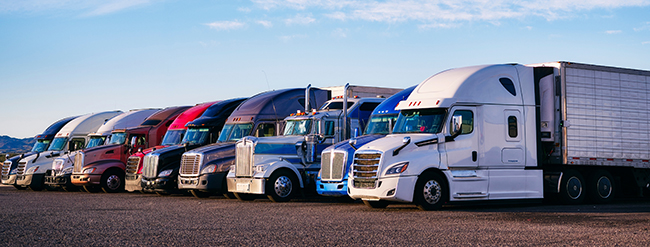
Retail Freight Carrier Evaluation Checklist
1. Appointment Compliance and OTIF Performance
Retail distribution centers and receiving locations often operate within scheduled appointment windows. A carrier should understand how appointment requirements affect dispatch, transit planning, driver hours, and delivery timing.
Retailers that use OTIF, or On-Time In-Full, performance standards should ask how a carrier measures pickup and delivery performance and how exceptions are communicated. The most useful discussion is not simply whether a carrier claims strong on-time service, but how performance is tracked against the retailer's actual appointment and delivery requirements.
Useful questions include:
- How is on-time pickup measured?
- How is on-time delivery measured?
- Can performance be reviewed by lane, facility, or customer?
- How are missed appointments or developing delays communicated?
- Who is responsible for coordinating appointment changes?
2. Seasonal and Promotional Capacity
Retail freight volume does not remain constant throughout the year. Holiday inventory, seasonal merchandise, store openings, promotional events, building materials, and changing consumer demand can all increase transportation requirements.
Retailers should discuss expected volume with carriers before peak periods begin. Important details include recurring lanes, weekly load counts, trailer requirements, pickup schedules, delivery windows, and expected changes in volume.
An asset-based carrier can compare those requirements against its own fleet and operating network, but capacity still depends on equipment availability, location, timing, and the freight itself. Early planning gives both the shipper and carrier more time to prepare for expected increases.
For more information about planning recurring truckload capacity, read our Dry Van Capacity Planning guide.
3. Equipment That Fits Retail Freight
Retail freight can require different types of transportation equipment depending on what is being shipped and how it will be loaded or received.
- Dry Van: Common for palletized, boxed, packaged, and other consumer goods that require enclosed transportation.
- Flatbed and Open-Deck: Used for building materials, store fixtures, displays, machinery, and freight that requires side, rear, or top loading.
- Expedited: Used when inventory, replacement parts, promotional materials, or other freight must move on a shorter schedule.
- Specialized or Heavy Haul: Used when retail projects involve oversized machinery, equipment, structural components, or freight that exceeds standard trailer dimensions or weight limits.
The carrier should review freight dimensions, weight, commodity, loading method, delivery conditions, and any site restrictions before recommending equipment.
Explore Buchanan's dry van and flatbed trucking services for common retail and consumer freight applications.
4. Claims and Freight Damage Procedures
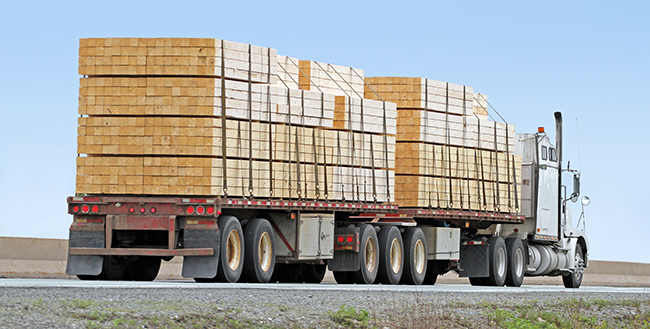
Damage performance matters because retail freight may move directly into inventory, a distribution network, a store project, or a customer-facing installation. Retailers should understand both a carrier's claims history and the process followed when freight damage occurs.
Ask how damage is documented, who should be contacted, what paperwork is required, how photographs or delivery exceptions are handled, and how the claims process is communicated. A clear process does not eliminate every freight risk, but it gives the shipper a defined path when a problem occurs.
5. Shipment Visibility and Exception Communication
Shipment visibility is valuable when it helps a retailer make decisions. A location update alone may not be enough if a delivery appointment is at risk or a receiving location needs advance notice of a change.
Retailers should ask how shipment status is communicated, who monitors exceptions, and how quickly the carrier contacts the customer when conditions change. Weather, traffic, facility delays, loading problems, and equipment issues can all affect a shipment.
Strong communication means giving the shipper useful information early enough to respond, rather than waiting until a delivery window has already been missed.
6. Safety and Regulatory Compliance
Carrier safety should be part of the selection process for any retail freight program. Retailers should confirm that prospective carriers maintain appropriate operating authority, insurance, driver qualification procedures, equipment inspection practices, and regulatory compliance processes.
Specialized or oversized retail projects may require additional planning involving permits, routing, securement, escorts, or site access. The carrier should be able to identify those requirements before the shipment moves.
7. Rate Structure and Accessorial Charges
The lowest base rate is not always the lowest final transportation cost. Retailers should understand what is included in a quote and which conditions may create additional charges.
Depending on the shipment, those costs can include detention, layover, additional stops, special equipment, permits, escorts, loading delays, or other accessorial services. Clear shipment information at the quote stage helps the carrier price the freight around the actual transportation requirements.
When comparing carriers, retailers should evaluate cost alongside service performance, equipment fit, communication, capacity, and claims experience rather than treating rate as the only decision factor.
How an Asset-Based Carrier Can Support Retail Freight
An asset-based carrier owns or directly operates transportation equipment and manages its own drivers and fleet operations. For retail shippers, this can provide a more direct relationship with the company responsible for the truck and trailer assigned to the load.
That can be useful when discussing recurring lanes, trailer requirements, appointment schedules, equipment availability, or changes that affect a shipment. It does not mean an asset-based carrier is automatically the right choice for every retail load, but direct fleet control can be an important factor for businesses that value operating accountability and repeat capacity.
Learn more about asset-based freight transportation and how it affects equipment, communication, and capacity planning.
Questions to Ask a Retail Freight Carrier
Before selecting a carrier for recurring or high-volume retail freight, consider asking:
- What retail or distribution center freight experience does your team have?
- How do you measure on-time pickup and delivery performance?
- How do you support OTIF and appointment-based deliveries?
- What equipment is available for our freight?
- How should we communicate seasonal or promotional volume forecasts?
- How are shipment delays and other exceptions communicated?
- What is your process for freight claims or damaged shipments?
- What information do you need to provide an accurate rate quote?
- Can you support both recurring lanes and one-time project freight?
The answers should be evaluated against the retailer's own freight profile. A business moving palletized consumer goods through distribution centers may have very different requirements from a retailer coordinating store fixtures, lumber, machinery, or project freight.
Matching Carrier Performance to Retail Requirements
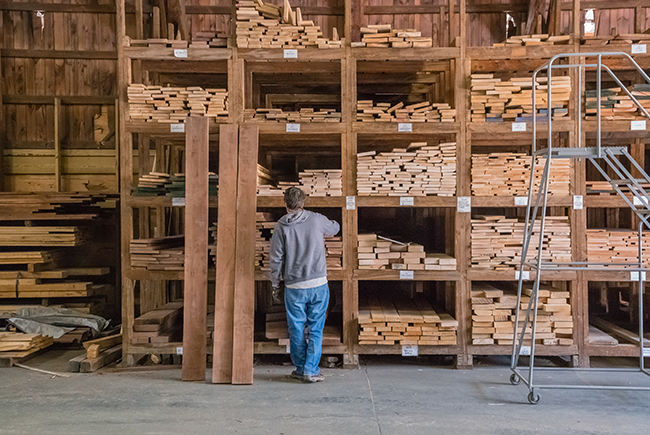
A useful carrier scorecard should reflect the transportation requirements that directly affect the retailer. Depending on the operation, that may include:
- On-time pickup percentage
- On-time delivery or OTIF performance
- Appointment compliance
- Claims and freight damage frequency
- Tender acceptance during peak periods
- Shipment exception frequency
- Communication response time
- Equipment availability by freight type
The purpose of the scorecard is not to create more reporting. It is to identify where transportation performance is supporting the retail operation and where recurring problems need attention.
Retail Freight Transportation with Buchanan Hauling
Buchanan Hauling & Rigging operates more than 200 power units and more than 900 trailers supporting dry van, flatbed, expedited, specialized, and heavy haul transportation. That equipment mix allows Buchanan to review different retail freight requirements against the appropriate transportation option rather than treating every shipment the same way.
Dry van transportation can support palletized and packaged consumer products, while flatbed equipment may be used for building materials, fixtures, displays, and other open-deck freight. Expedited transportation can support time-sensitive shipments, and specialized or heavy haul equipment is available for larger retail projects involving machinery or oversized components.
Retailers with multiple shipment types can review Buchanan's full range of freight transportation services or visit our Dry Van and Flatbed Services page for common retail freight options.

Prepare for a Retail Freight Quote
Providing complete shipment information helps a carrier determine equipment requirements, availability, and pricing. Before requesting a quote, gather:
- Commodity or product description
- Number of pallets or pieces
- Total shipment weight
- Freight dimensions when relevant
- Origin and destination
- Pickup and delivery dates
- Appointment requirements
- Loading and unloading methods
- Trailer or equipment requirements
- Any known accessorial or site conditions
Businesses with recurring retail freight should also provide expected shipment frequency, typical lanes, and any seasonal changes in volume.
Tell Buchanan about your retail freight requirements.
Resources
- Buchanan Dry Van and Flatbed Services
- 7 Things Retail and Consumer Product Companies Must Know
- Dry Van Capacity Planning
- Buchanan Hauling & Rigging, Inc. Digital Brochure
- Buchanan Heavy Haul Division Digital Brochure
Related Retail and Freight Transportation Information
7 Things Retail and Consumer Product Companies Must Know | Dry Van Capacity Planning | Asset-Based Freight Transportation | Dry Van and Flatbed Services | Expedited Freight Services