

Truck drivers carry a significant amount of responsibility every time they take to the road. In addition to transporting freight between businesses and communities, professional drivers operate large commercial vehicles alongside millions of other motorists. That makes safety more than a regulatory requirement. It affects drivers, families, customers, equipment, business operations, and everyone sharing the highway.
No one at Buchanan Hauling & Rigging, Inc. understands that responsibility better than owner Geary Buchanan, who spent many years behind the wheel himself. Buchanan's Mission and Values describe safety as non-negotiable and part of the company's daily operating standards.
Trucking safety involves far more than avoiding crashes. Driver qualification, vehicle maintenance, inspections, hours of service, cargo securement, regulatory compliance, planning, and day-to-day decisions all contribute to how a motor carrier operates. Here are ten reasons safety must remain a priority throughout the trucking industry.
1. Protecting Human Life
The most important reason trucking safety matters is the value of human life. Professional drivers share the road with passenger vehicles, motorcycles, construction crews, emergency responders, pedestrians, and other commercial vehicles. A serious crash can affect far more people than the driver and the freight being transported.
Building safety into everyday decisions helps reduce unnecessary risk for drivers, coworkers, customers, and the public. No delivery deadline or business opportunity is worth putting a person's life at unnecessary risk.
2. Meeting Federal and State Safety Requirements
Commercial motor carriers operate under federal and state safety regulations covering driver qualifications, vehicle operation, hours of service, equipment, inspections, repair, maintenance, cargo securement, and other areas.
Safety programs help carriers build those requirements into normal operations rather than treating compliance as something addressed only after a roadside inspection or violation occurs. The Federal Motor Carrier Safety Administration maintains the Federal Motor Carrier Safety Regulations covering many of these responsibilities.
3. Recruiting and Retaining Professional Drivers
A carrier's approach to safety can influence whether experienced professional drivers want to work there and remain there. Drivers depend on their employer for properly maintained equipment, realistic operating expectations, communication, support, and policies that do not pressure them to compromise safe operation.
Safety performance can also follow a professional driver throughout a career. FMCSA's Pre-Employment Screening Program provides authorized motor carriers with access to a driver's five-year crash history and three-year roadside inspection history when making hiring decisions.
Buchanan currently offers quarterly safety bonus opportunities for qualifying drivers who support the company's safety and compliance expectations. Drivers interested in Buchanan can learn more about Buchanan truck driving opportunities.
4. Reducing Injuries and Lost Work Time
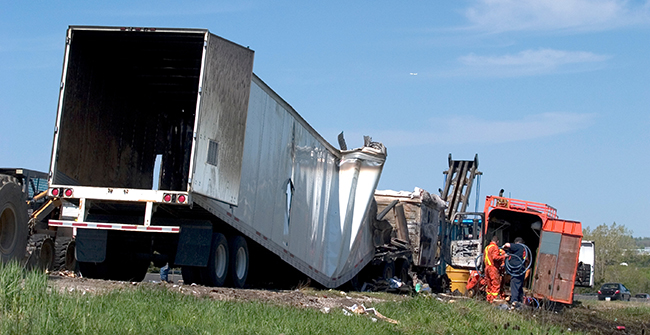
A workplace injury can affect the employee, the employee's family, coworkers, scheduled freight, equipment availability, and the company's ability to operate. Lost work time may also create additional staffing, scheduling, medical, administrative, and insurance costs.
Safety programs cannot eliminate every injury or illness, but training, proper procedures, equipment maintenance, and attention to workplace hazards can reduce preventable exposure and help employees perform their jobs under better conditions.
5. Protecting Customer Service and Freight Operations
Transportation safety also affects the shipper. A crash, equipment failure, roadside violation, or preventable out-of-service condition can interrupt a shipment and create delays, damaged freight, missed appointments, or additional transportation costs.
Strong safety practices support more dependable freight operations by addressing driver qualification, equipment condition, load securement, route requirements, and operating conditions before they become larger problems. For customers, that makes safety part of transportation performance rather than a separate issue.
6. Reducing the Financial Impact of Crashes
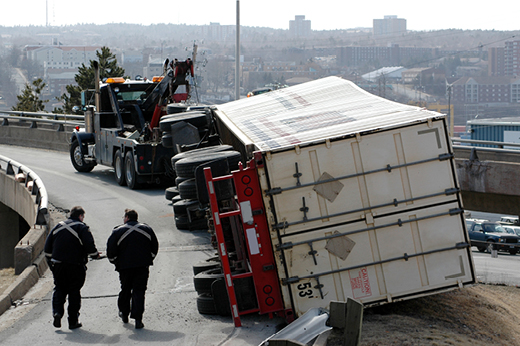
Serious commercial vehicle crashes can create substantial financial and societal costs. The Federal Motor Carrier Safety Administration's 2025 Crash Cost Methodology estimates the cost of an average large-truck non-injury crash at $49,398, an injury crash at $326,810, and a fatal crash at more than $15.2 million, measured in 2023 dollars.
Those estimates account for costs beyond vehicle repairs alone. Crashes can involve injuries, property damage, traffic delays, emergency response, lost productivity, insurance and claims activity, and other consequences. The current methodology is available through the FMCSA Crash Cost Methodology.
The financial case for safety should never overshadow the human one, but the data reinforces why avoiding preventable crashes matters to both transportation companies and the public.
7. Keeping Trucks and Trailers Ready to Work
Safety and equipment maintenance are closely connected. Federal regulations require motor carriers to systematically inspect, repair, and maintain commercial vehicles under their control. Parts and accessories must remain in proper operating condition.
Preventive maintenance and inspections can identify problems involving brakes, tires, lights, steering, suspension, trailer components, and other equipment before those problems contribute to an unsafe condition or an unexpected breakdown.
Equipment that is properly maintained supports both road safety and operational uptime.
8. Supporting Productivity and Business Continuity
Safety problems rarely affect only one person or one department. A crash or serious equipment issue can involve drivers, dispatch, maintenance, safety personnel, customers, claims staff, management, and other employees.
Preventing avoidable incidents helps teams spend more time moving freight and supporting customers instead of responding to preventable disruptions. It also protects the experience and knowledge of employees whose absence can be difficult to replace.
9. Supporting Driver Careers and Professional Opportunities
Experienced drivers with strong safety records remain valuable throughout the trucking industry. A history of responsible operation can affect future employment opportunities, eligibility for certain driving positions, customer requirements, and recognition within a carrier.
FMCSA's Pre-Employment Screening Program gives participating carriers access to qualifying crash and roadside inspection history when evaluating prospective drivers. That is another reason professional drivers should view safety as part of their long-term career record, not simply a daily operating requirement.
At Buchanan, qualifying drivers can earn quarterly safety bonus opportunities in recognition of safe driving practices and support for company safety standards.
10. Building Public and Customer Trust
Commercial trucks operate in public view every day. The way a carrier's drivers and equipment perform on the road affects how motorists, customers, regulators, and communities view both the company and the trucking industry.
Serious crashes naturally bring increased attention to commercial vehicle safety and can influence public discussion, enforcement priorities, and future regulatory decisions. Carriers therefore have a responsibility to treat safety as part of how they operate, not simply as a message used after something goes wrong.
For shippers, safety is also part of carrier evaluation. Customers are placing freight, schedules, facilities, and their own business reputation in the hands of the transportation provider they select.
Safety Has to Be Part of Daily Trucking Operations
Buchanan Hauling & Rigging's goal is straightforward: protect drivers, employees, customers, freight, equipment, and the people sharing the road. That requires safety to be considered in hiring, training, maintenance, dispatch, load planning, securement, route decisions, and everyday driving.
This article focuses on why trucking safety matters. Drivers looking for practical guidance on how to reduce risk before, during, and after a trip can read our 20 Safety Tips for New and Seasoned Truck Drivers.
Learn more about Buchanan's approach to safety through our Mission and Values.
Interested in driving for a company that makes safety a daily priority?
Additional Trucking Safety Resources
20 Safety Tips for New and Seasoned Truck Drivers | Clean Roadside Inspection Checklist | Truck Tire Chain Laws by State | Driving Tips for National Safety Month | Buchanan Mission and Values