
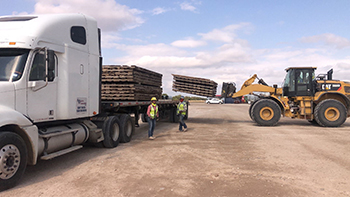
How contractors, suppliers, manufacturers, and project teams can plan freight delivery around access, timing, trailer selection, unloading, and active jobsite conditions.
Construction jobsite delivery requires more planning than sending a truck to a street address. A shipment may need to enter through a narrow gate, follow a temporary road, avoid overhead obstructions, arrive during a specific crane window, or reach an unloading area surrounded by active construction. The freight itself may also require flatbed, step deck, specialized, or heavy haul equipment.
Buchanan Hauling & Rigging, Inc. is an asset-based trucking company that supports construction and project freight across the United States. Depending on the shipment, Buchanan can review freight for flatbed transportation, specialized freight transportation, or heavy haul transportation. The right service depends on the load dimensions, weight, loading method, site access, schedule, and delivery requirements.
Why Jobsite Freight Delivery Needs More Than an Address
A construction site changes as the project progresses. Access roads can move, staging areas can fill, cranes can occupy delivery lanes, and entrances that worked during one phase may not work later. Jobsite freight delivery should therefore be planned around current site conditions rather than relying only on an address or an older site map.
Before a truck is dispatched, the transportation team should know:
- The exact jobsite entrance the driver should use
- The route from the entrance to the unloading area
- Available turning room
- Gate width and overhead clearance
- Road and ground conditions
- Where trucks can wait or stage
- Who will meet the driver
- How the freight will be unloaded
- The required delivery window
- Any site rules or check-in procedures
For larger or over-dimensional loads, a site review may be needed before delivery. Buchanan's Project Transportation Management resource explains why reaching the property entrance is not the same as reaching the final unloading point.
Start With the Freight, Not the Jobsite Schedule
The delivery schedule matters, but trailer selection begins with the freight. Construction materials and equipment can vary widely in length, width, height, weight, loading method, and support requirements.
Provide the carrier with:
- Commodity or equipment description
- Length, width, and height
- Total weight
- Piece or bundle count
- Loading method
- Unloading method
- Ground clearance when equipment is involved
- Photos or drawings when available
- Any removable components or attachments
Accurate shipment information helps determine whether the load fits conventional flatbed equipment or requires a specialized trailer, permits, route planning, or additional site coordination.
Flatbed Jobsite Delivery for Construction Materials
Flatbed jobsite delivery is often useful for construction materials that need to be loaded or unloaded from the side, rear, or top. Structural materials, fabricated components, bundled products, machinery, and other freight may fit open-deck transportation when dimensions and weight allow.
Buchanan's Flatbed Trucking Services support open-deck freight for construction, manufacturing, infrastructure, and industrial customers. Buchanan also maintains a separate Flatbed Freight for Infrastructure resource covering broader infrastructure and energy-project materials.
This article focuses specifically on the last part of the move: getting freight into an active construction site at the right time, with the right trailer, and with a practical unloading plan.
When Specialized or Heavy Haul Equipment Is Needed
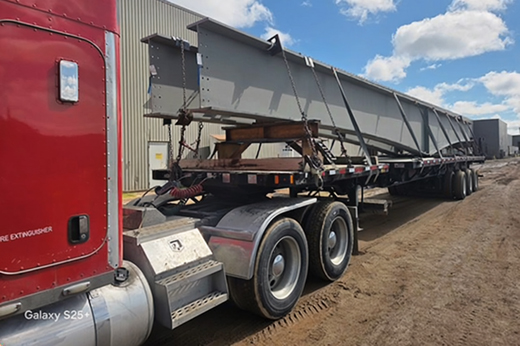
Some jobsite freight exceeds the practical limits of standard flatbed equipment. Large machinery, long structural components, oversized assemblies, heavy equipment, tanks, girders, or other unusually configured loads may need a specialized or heavy haul setup.
Trailer selection can be influenced by:
- Loaded height
- Overall width
- Total weight
- Axle-weight requirements
- Ground clearance
- Loading method
- Trailer length
- Turning requirements
- Jobsite access
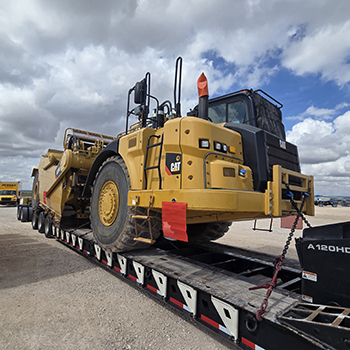
Buchanan's Heavy Haul operation publishes equipment that includes step decks, lowboys, RGNs, multi-axle configurations, extended trailers, steerable equipment, jeeps, and stingers. The actual trailer should be selected from the shipment requirements rather than from the commodity name alone.
Jobsite Access Planning Should Happen Before Dispatch
Jobsite access planning is especially important when a tractor and trailer must move beyond a public road into a developing site. Temporary entrances and internal roads may not have the same turning room, surface conditions, or clearances as a finished facility.
Review:
- Entrance width
- Entrance angle
- Turning radius
- Road width
- Road surface
- Soft or uneven ground
- Grades
- Temporary bridges or crossings
- Overhead utility lines
- Tree limbs, signs, fencing, and structures
- Construction equipment operating near the route
If site access has changed since the quote or initial planning stage, update the carrier before the truck arrives. A different entrance or unloading point can change the maneuvering plan and, for some loads, may affect whether the selected trailer can reach the destination.
Use Current Photos and Site Maps
Current site information can help a transportation team understand conditions that are difficult to identify from a street address. For complex deliveries, provide recent photos, marked site plans, or aerial images showing the intended truck path.
Useful images can show:
- The jobsite entrance
- Turns inside the property
- Temporary roads
- Overhead obstructions
- Truck staging areas
- The unloading location
- Crane position
- The planned exit route
Mark the truck entrance and unloading area clearly when sending a site plan. If there are multiple entrances, identify which one is approved for delivery trucks.
Delivery Timing Should Match Site Readiness
Construction site logistics depend on timing. A truck that arrives before the site is ready can create a staging problem. A truck that arrives after a crane or crew window can affect the work scheduled around that delivery.
Before scheduling the load, confirm:
- Earliest acceptable arrival time
- Required delivery window
- Site receiving hours
- Crane availability
- Forklift or loader availability
- Installation crew schedule
- Traffic restrictions
- Whether deliveries are appointment-only
If the site is operating under a phased construction schedule, tell the carrier which phase or work area is receiving the freight. That can help avoid confusion when several crews or unloading areas are active at the same project.
Plan Where Trucks Will Stage
Staging should be defined before multiple trucks are sent to the same construction site. A site that can unload one truck at a time should not have several large trailers arriving without a place to wait.
Decide:
- Where arriving trucks check in
- Where trucks wait before unloading
- How many trucks can stage onsite
- Whether offsite staging is needed
- Who releases each truck to the unloading area
- How drivers receive updated instructions
For oversized or long loads, the staging area also needs enough room for the tractor and trailer configuration. A parking area that works for a standard tractor-trailer may not fit an extended or multi-axle heavy haul combination.
Match the Unloading Method to the Trailer
Jobsite freight can arrive by flatbed, step deck, RGN, lowboy, dry van, or another trailer type depending on the cargo. The unloading method needs to work with the selected equipment.
Confirm whether unloading will use:
- Crane
- Forklift
- Telehandler
- Loader
- Rigging equipment
- Drive-off method
- Another project-specific method
The transportation team should also know where the trailer must be positioned for unloading. A crane may need the truck within a specific working area, while a forklift or telehandler may require clear access along the side of the trailer.
When crane or rigging coordination needs to be integrated with a heavy haul project, Buchanan can review those requirements as part of the transportation plan.
Construction Material Delivery and Installation Sequence
Construction material delivery is more useful when it follows the order in which the project needs the freight. This is especially important when materials are unloaded directly into an installation area or when onsite storage is limited.
For recurring deliveries, identify:
- Which materials are needed first
- Daily or weekly load volume
- Installation sequence
- Available storage space
- Maximum onsite inventory
- Required truck arrival intervals
- Changes to the construction schedule
Project teams should update transportation schedules when work moves faster or slower than expected. Releasing freight based on an outdated construction schedule can create congestion at the site or leave crews waiting for materials that are still in transit.
Multi-Supplier Projects Need Clear Shipping Instructions
Construction projects often receive freight from several manufacturers, fabricators, distributors, or equipment suppliers. Each supplier should receive the same jobsite delivery instructions when possible.
Provide suppliers with:
- Approved delivery address
- Truck entrance
- Receiving hours
- Appointment requirements
- Site contact
- Required load identification
- Delivery sequence when applicable
For the carrier, provide the supplier pickup location, loading hours, freight specifications, and expected release date. The project schedule works better when transportation is based on actual supplier readiness.
Oversized Jobsite Freight May Require Permits and Route Planning
When construction freight exceeds legal size or weight limits, jobsite delivery may involve oversize or overweight permits, route planning, route surveys, and escorts. These requirements are separate from the site-access review, but the two plans need to connect.
A permitted route may account for:
- Loaded width
- Loaded height
- Total length
- Gross and axle weights
- Bridge restrictions
- Overhead clearances
- Construction zones
- Restricted travel periods
- Escort requirements
The public-road route should connect to a jobsite approach the trailer can actually use. Buchanan's Heavy Haul Permits and Route Planning guide covers the permit and highway-routing side of oversized freight in more detail.
Construction Equipment Has Different Transportation Needs
Construction equipment delivery can involve bulldozers, excavators, cranes, loaders, and other machinery that may use drive-on equipment or heavy haul configurations. Buchanan already maintains a dedicated Construction Equipment Transportation resource for that topic.
This jobsite delivery guide is broader. It applies to materials, structural components, machinery, project freight, and other cargo entering an active construction site. Keeping the topics separate allows the equipment article to retain equipment-hauling intent while this article focuses on delivery conditions and jobsite coordination.
Communication Should Continue Until the Truck Reaches the Delivery Point
Construction sites can change between the day a load is scheduled and the day it arrives. The site contact should communicate changes that affect truck access or unloading.
Examples include:
- A gate has closed
- A temporary road has changed
- A crane moved
- The unloading area is occupied
- Ground conditions have deteriorated
- The delivery window changed
- A different site contact is handling receiving
Drivers should receive updated instructions before they reach the site whenever possible. Last-minute changes are harder to manage when a long or oversized trailer is already at the entrance.
How Buchanan Supports Construction Jobsite Freight
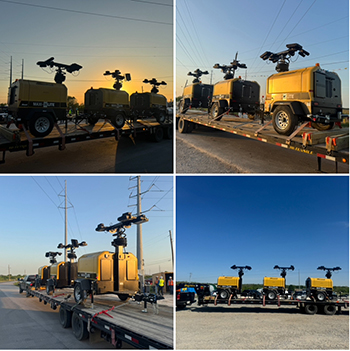
Buchanan Hauling & Rigging has operated as an asset-based trucking company since 1996. Buchanan supports construction, infrastructure, industrial, manufacturing, and project freight through flatbed, specialized, heavy haul, dry van, expedited, and managed transportation capabilities.
Buchanan's existing construction and project transportation resources address open-deck freight, construction equipment, site surveys, trailer selection, permits, staging, and delivery access. Those capabilities provide the operating foundation for reviewing jobsite freight that requires more planning than a standard dock delivery.
Each construction delivery should still be evaluated from the actual freight and site conditions. Trailer needs, capacity, route requirements, permits, and access can differ from one load to the next.
What to Provide for a Construction Jobsite Delivery Quote
General contractors, subcontractors, manufacturers, fabricators, distributors, equipment suppliers, and project managers can help Buchanan review a jobsite shipment by providing complete freight and site information.
Include:
- Freight description
- Piece or bundle count
- Length, width, and height
- Total weight
- Origin address
- Jobsite delivery address
- Approved truck entrance
- Requested pickup and delivery dates
- Delivery window
- Loading and unloading methods
- Site contact information
- Staging instructions
- Jobsite access details
- Photos or site plans when available
- Expected number of loads
For recurring or multi-load work, also provide the expected shipment schedule and delivery sequence. If site conditions change, update the transportation team before the next load is dispatched.
Plan Jobsite Freight Delivery With Buchanan
If your business needs construction jobsite delivery, flatbed jobsite delivery, construction material delivery, or specialized project freight transportation, Buchanan can review the shipment against its asset-based transportation capabilities.
Use Buchanan's Rate Quote page to provide the freight dimensions, weight, origin, jobsite address, loading method, delivery window, site-access information, and expected number of loads.
Have construction materials, equipment, or project freight that needs to reach an active jobsite? Send the shipment and site details to Buchanan Hauling & Rigging for review.