
Understanding the permitting process for oversized freight transportation
Transporting oversized or overweight freight requires careful planning and regulatory compliance. Heavy haul trucking is commonly used to move large industrial equipment, construction machinery, and infrastructure components that exceed standard highway size or weight limits.
Because these shipments can affect roadway safety and traffic flow, state transportation agencies require special permits before oversized freight can travel on public highways. Proper permitting and route planning help ensure these shipments move safely and efficiently.
What Is Heavy Haul Trucking?
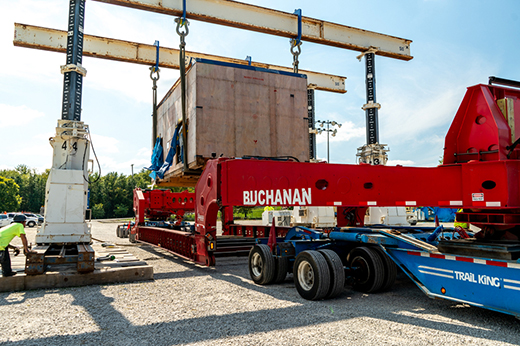
Heavy haul trucking refers to the transportation of freight that exceeds legal size or weight limits established for standard commercial vehicles. These limits vary by state but typically include restrictions on trailer width, height, length, and total vehicle weight.
Shipments that exceed these limits require specialized equipment and transportation permits before they can travel on public roads.
Heavy haul shipments may include:
- Construction equipment
- Industrial machinery
- Large manufacturing components
- Energy infrastructure equipment
- Oversized structural materials
Buchanan Hauling and Rigging provides heavy haul transportation services designed to safely move oversized freight across the United States.
Explore Buchanan Heavy Haul Services
Understanding Heavy Haul Permits
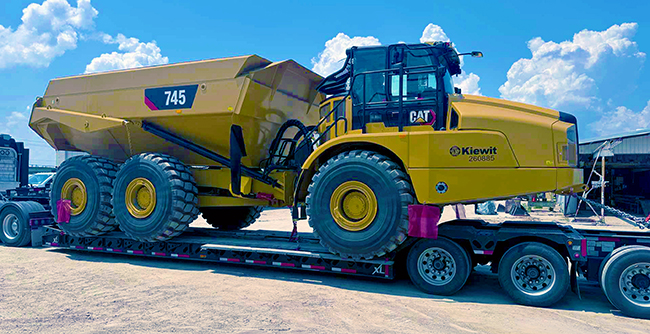
When freight exceeds legal transportation limits, carriers must obtain oversize or overweight permits from state transportation agencies. These permits authorize the shipment to travel on specific roadways under certain conditions.
Permits may include restrictions related to travel times, escort vehicles, and approved transportation routes.
Because each state has different regulations, obtaining the proper permits requires experience and careful planning.
Route Planning for Oversized Freight
Route planning is one of the most important aspects of heavy haul transportation. Oversized freight cannot always travel along the same routes used by standard commercial vehicles.
Transportation planners must evaluate several factors when selecting a route:
- Bridge height and clearance limitations
- Road weight restrictions
- Construction zones and detours
- Urban traffic restrictions
- State travel regulations for oversized freight
Careful route planning helps ensure the shipment reaches its destination safely while complying with transportation regulations.
Working With Experienced Heavy Haul Carriers
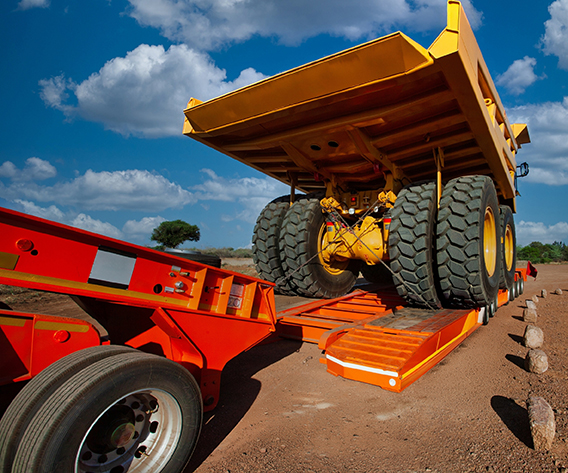
Heavy haul shipments require specialized equipment, experienced drivers, and logistics professionals who understand permitting and route planning requirements. Companies transporting oversized freight often rely on transportation providers with proven heavy haul experience.
For more than 30 years, Buchanan Hauling and Rigging has supported businesses across construction, infrastructure, manufacturing, and energy industries with dependable freight transportation services.
Learn More About Buchanan Hauling
Planning Oversized Freight Transportation
Businesses transporting heavy equipment or oversized freight benefit from working with experienced carriers that understand the permitting process and route planning requirements.
Resources
Check out our company overview ebrochures:
Contact us now to get more information
or to get a rate quote for your next project.
Additional Freight Transportation Related Information
Oversized Freight Permits | Heavy Haul Services | Buchanan Hauling Earns National Heavy Haul Recognition from SC&RA | Oversized Freight Route Planning