
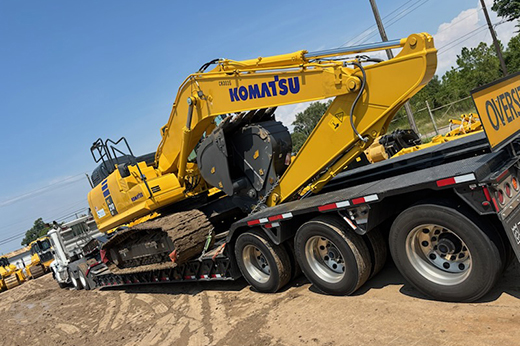
Understanding the permitting process for oversized freight transportation
Transporting oversized freight requires careful planning and compliance with transportation regulations. When freight exceeds legal size or weight limits established for standard commercial vehicles, special permits are required before the shipment can travel on public highways.
Oversized freight shipping is commonly used to transport construction equipment, industrial machinery, infrastructure materials, and other large cargo that cannot be moved using standard trailers. Because these shipments may impact roadway safety and traffic flow, state transportation agencies regulate how and when oversized loads may travel.
What Is Oversized Freight?
Oversized freight refers to cargo that exceeds the legal transportation limits for commercial vehicles. These limits vary slightly by state, but most jurisdictions regulate the maximum width, height, length, and weight that vehicles can carry without special authorization.
Examples of freight that may require oversized load permits include:
- Construction and excavation equipment
- Large industrial machinery
- Wind energy components
- Structural steel beams
- Manufacturing equipment
Because of their size, these shipments require specialized trailers and transportation planning to ensure safe delivery.
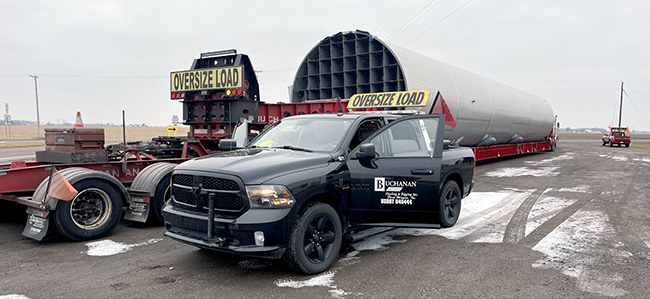
The Oversized Freight Permit Process
Before transporting oversized freight, trucking companies must obtain permits from the state transportation agencies responsible for the highways along the shipment route. These permits authorize the shipment to travel on approved roads under specific conditions.
Permit requirements may include:
- Approved travel routes
- Time-of-day travel restrictions
- Escort vehicles for large loads
- Speed limitations
- Bridge clearance verification
Because regulations vary between states, coordinating permits for multi-state shipments requires experience and detailed planning.
Route Planning for Oversized Loads
In addition to obtaining permits, transportation providers must carefully plan the route used for oversized freight shipments. Oversized loads cannot always travel along standard trucking routes due to bridge height restrictions, roadway weight limits, or tight urban intersections.
Transportation planners evaluate multiple factors when selecting the safest route for oversized shipments:
- Bridge and overpass clearances
- Road weight limits
- Construction zones
- Traffic congestion
- State travel regulations
Careful route planning helps ensure oversized freight can reach its destination without delays while maintaining roadway safety.
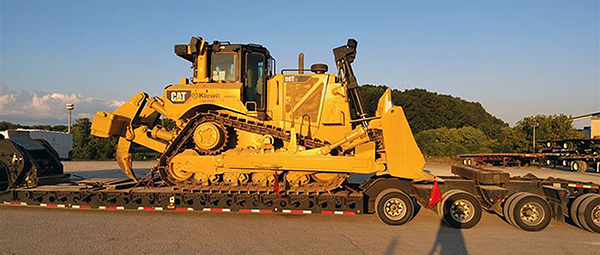
Working With Experienced Heavy Haul Carriers
Because oversized freight transportation involves permits, route planning, specialized equipment, and experienced drivers, many businesses rely on professional heavy haul carriers to coordinate these shipments.
Buchanan Hauling and Rigging, Inc. provides heavy haul transportation services designed to move oversized freight safely across the United States. The company’s equipment and experienced drivers support industries such as construction, manufacturing, infrastructure, and energy.
Explore Buchanan Heavy Haul Services
Industry Experience and Reliable Transportation
For more than 30 years, Buchanan Hauling and Rigging has supported businesses with dependable freight transportation services. Their experience coordinating complex freight shipments allows oversized loads to move safely and efficiently across regional and nationwide routes.
Learn More About Buchanan Hauling
Planning Oversized Freight Shipments
Businesses transporting oversized equipment or industrial cargo benefit from working with carriers that understand permit coordination and route planning requirements. Proper planning helps ensure shipments move efficiently while complying with state transportation regulations.
Resources
Come drive for a company where you are not just a number, but part of the family!
Additional Freight Transportation Related Information
Heavy Haul Permits and Route Planning | Buchanan Heavy Haul Division | Oversized Freight Route Planning