
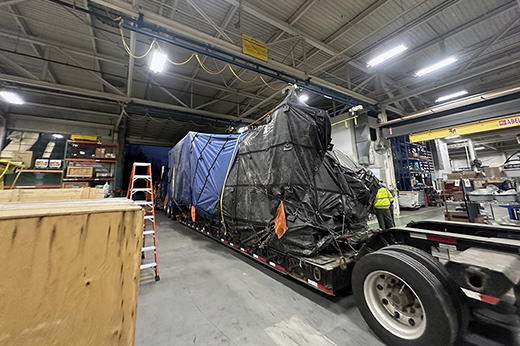
How manufacturers and project teams can plan factory equipment transportation for plant moves, expansions, line changes, and machinery installations.
Production line equipment transport is different from moving a single machine. A plant move or expansion may involve several pieces of machinery that must be disconnected, loaded, transported, delivered, and positioned in a specific order. Equipment dimensions, weight, loading methods, site access, trailer selection, permits, staging, and installation timing can all affect the transportation plan.
Buchanan Hauling & Rigging, Inc. is an asset-based trucking company that transports industrial machinery and other large or unusually configured freight. Buchanan's Heavy Haul Trucking Services and Specialized Freight Transportation Services can support manufacturing equipment relocation when machinery requires open-deck, low-deck, multi-axle, or other specialized transportation equipment.
What Is Production Line Equipment Transport?
Production line equipment transport is the movement of machinery and related components used within a manufacturing or processing operation. The freight may be moving to a new plant, between company facilities, from an equipment manufacturer to an operating facility, or within a larger plant expansion or reconfiguration project.
A production line move may include:
- Machining centers and machine tools
- Presses and forming equipment
- Assembly equipment
- Robotic cells and automation equipment
- Packaging machinery
- Processing equipment
- Pumps, skids, and support machinery
- Conveyor sections and material-handling components
- Electrical or mechanical support equipment
- Other production machinery and line components
Some equipment may fit standard flatbed or step deck service. Larger machines can require heavy haul equipment, permits, route planning, or crane and rigging coordination. The correct approach depends on the actual freight rather than the name of the production line.
Start With a Machinery Move List
For a plant move or production-line relocation, create a complete equipment list before transportation is scheduled. Each machine should have its own identifying information so the shipper, carrier, loading team, and receiving facility are working from the same plan.
For each piece, record:
- Equipment name
- Manufacturer and model when available
- Internal asset or project number
- Shipping length, width, and height
- Shipping weight
- Loading method
- Unloading method
- Required shipping orientation
- Approved lifting or support points when available
- Origin location within the facility
- Destination or installation position
If the production line includes dozens of components, this list becomes the working foundation for trailer assignment and delivery sequencing. It also reduces the risk that a machine arrives without the information needed to unload or position it.
Confirm the Shipping Configuration of Each Machine
Manufacturing equipment is not always transported in the same configuration in which it operates. Guards, platforms, electrical cabinets, tooling, hoppers, arms, attachments, or other components may be removed before shipping.
The carrier needs the dimensions and weight of the machine as it will actually move. If a machine will be divided into several transportable sections, provide specifications for each section.
Confirm:
- Final shipping dimensions
- Final shipping weight
- Separate components
- Ground clearance
- Center of gravity information when available
- Protrusions that affect width or height
- Approved lifting points
- Approved tie-down or support information when available
Changes to the shipping configuration can affect trailer selection, permits, loaded height, weight distribution, and securement planning.
Match Each Machine With the Right Transportation Equipment
A factory equipment transport project may use more than one trailer type. Smaller components may move on conventional open-deck equipment, while tall, heavy, or over-dimensional machinery can require specialized configurations.
Buchanan's published Heavy Haul equipment includes step deck and lowboy equipment, 12- and 13-axle RGNs, multi-axle configurations, extended trailers, steerable equipment, jeeps, stingers, and other equipment for large or unusually configured freight.
Equipment selection can depend on:
- Machine height and required deck height
- Total weight and weight distribution
- Ground clearance
- Loading method
- Overall length and width
- Route restrictions
- Pickup and delivery access
For broader guidance on machinery hauling, Buchanan also maintains a Heavy Machinery Equipment Hauling resource. That article addresses general machinery transportation, while this page focuses on coordinated production-line and plant-equipment moves.
Plan the Loading Sequence Before Trucks Arrive
A production line relocation can lose time when machinery is ready in one order but trucks, cranes, or rigging crews are scheduled in another. The transportation sequence should be coordinated with the disassembly and loading plan.
Before pickup begins, determine:
- Which machines will be ready first. Transportation should follow actual equipment readiness, not an outdated project schedule.
- What loading equipment each machine requires. Identify cranes, forklifts, rigging systems, jacking equipment, or drive-on loading.
- Which trailer is assigned to each piece. Match the equipment list with the planned trailer configuration.
- Where trucks will stage. Confirm that tractors and trailers have room to wait without blocking plant traffic or loading operations.
- Whether separate components travel with the primary machine. Account for deck space, weight, and handling needs before loading.
Buchanan's Heavy Haul capabilities include crane and rigging coordination when those services need to be integrated with transportation planning.
Delivery Order Should Follow the Installation Plan
Loading order and delivery order are not always the same. The receiving facility may need machinery to arrive in the order required for installation, utility connections, foundation work, or production-line assembly.
Before the first truck leaves, the project team should decide:
- Which machine must arrive first
- Whether equipment can be staged onsite
- Which loads will be unloaded directly into installation position
- When cranes, forklifts, or rigging crews will be available
- Whether the receiving area can handle more than one truck at a time
- What happens if installation work falls behind schedule
For a multi-load move, identify each truckload using the same equipment or project numbers used by the plant team. That gives dispatch, drivers, installers, and site personnel a consistent way to identify each machine.
Plant Access Matters at Both Ends of the Move
A machinery move may begin or end inside an operating plant, warehouse, fabrication building, or construction area. The carrier needs more than a street address when large trailers must navigate gates, internal roads, loading areas, and building entrances.
Review the origin and destination for:
- Gate width
- Turning room
- Door openings
- Overhead obstructions
- Railroad crossings
- Grades and changes in elevation
- Pavement or ground conditions
- Trailer staging space
- Crane and unloading positions
- Plant traffic restrictions
- Security and check-in procedures
Buchanan's Project Transportation Management article explains why project-site access should be reviewed before freight arrives. A permitted highway route may reach a facility but still leave difficult turns, low clearances, or other obstacles between the property entrance and the final unloading point.
Oversized Machinery May Require Permits and Route Planning
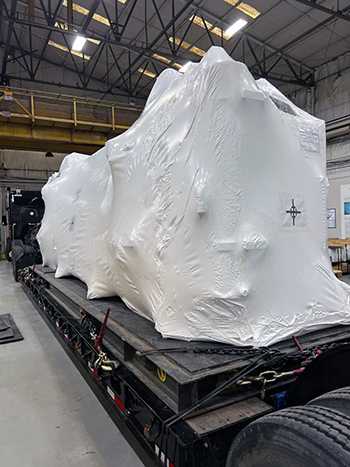
Production machinery that exceeds standard highway dimensions or weight limits may require oversize or overweight permits. The requirements depend on the machine, trailer, loaded configuration, route, and jurisdictions involved.
Route planning can involve:
- Bridge restrictions
- Overhead clearances
- Roadway width
- Construction zones
- Axle and gross-weight requirements
- Restricted travel periods
- Escort requirements
- Turning conditions
- Local access near the plant
Buchanan coordinates applicable permits, route planning, route surveys, and escorts for heavy haul projects. Shippers can read Buchanan's Heavy Haul Permits and Route Planning guide for more detail.
Plant Moves Need a Transportation Sequence, Not Just Trucks
Manufacturing equipment relocation can involve several parties working on the same timeline. Machinery may need to be disconnected, cleaned, drained, disassembled, rigged, loaded, transported, unloaded, positioned, reassembled, connected, and tested.
The trucking schedule should account for the work on both sides of the shipment.
A practical move plan identifies:
- Equipment release dates
- Loading windows
- Truck arrival times
- Expected transit requirements
- Delivery windows
- Unloading and rigging schedules
- Installation order
- Dependencies between machines
If one machine must be installed before the next piece can enter the building, that dependency should be reflected in the transportation schedule. Sending trucks faster than the receiving site can unload them creates a staging problem instead of solving the project schedule.
Production Restart Timing Raises the Cost of Poor Coordination
A plant relocation or production-line change may be tied to a shutdown window or planned restart. Transportation is only one part of that schedule, but late equipment can affect installation crews, electricians, millwrights, rigging teams, and the plant's production plan.
Shippers should provide the carrier with the dates that matter to the project, including:
- Equipment release date
- Required pickup window
- Required delivery date
- Installation schedule
- Planned production restart
- Facility shutdown restrictions
The carrier should also be notified when upstream work changes. If disassembly or rigging takes longer than expected, the transportation schedule may need to move with it.
Use Photos, Drawings, and Equipment Documentation
Photos and drawings can give the transportation team information that dimensions alone do not show. They can help identify protrusions, lifting areas, ground-clearance issues, access constraints, and separate components.
Useful documentation can include:
- Machine specification sheets
- Equipment drawings
- Photos from multiple angles
- Plant layout drawings
- Loading-area photos
- Delivery-area photos
- Rigging or lifting information
- Equipment move lists
For an entire production line, keep the machine number or asset identifier consistent across the spreadsheet, photos, drawings, truck assignments, and installation plan.
When Flatbed, Specialized, and Heavy Haul Services May Be Used
A manufacturing equipment relocation project can include freight that fits several transportation categories. Not every machine needs the same trailer or level of planning.
Depending on the freight:
- Flatbed or step deck transportation may fit machinery or components that can move on conventional open-deck equipment.
- Specialized transportation may fit over-dimensional or unusually configured machinery that requires a specific trailer or handling approach.
- Heavy haul transportation may be needed for machinery that is oversized, overweight, exceptionally tall, or requires multi-axle or low-deck equipment.
Buchanan can review the full equipment list and determine which of its transportation capabilities may fit each part of the project. For commercial service information, visit Buchanan Freight Transportation Services.
How Buchanan Supports Manufacturing Equipment Moves
Buchanan Hauling & Rigging has operated as an asset-based trucking company since 1996. Buchanan's Heavy Haul operation handles industrial machinery, presses, processing equipment, and other oversized or overweight freight. Its current equipment-hauling content also identifies manufacturing facilities moving machinery between plants as a common equipment-transport need.
Buchanan also publishes project transportation guidance covering site surveys, permits, equipment selection, delivery access, staging, and reporting for multi-load project freight. Those same planning disciplines can support plant moves and production-line equipment transportation when several machines need to move according to one project schedule.
Because each facility move has a different equipment list and installation sequence, the transportation plan should be based on the actual machinery, addresses, schedule, loading conditions, and receiving-site requirements.
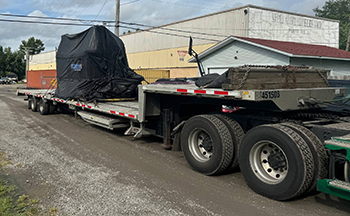
What to Provide for a Production Line Equipment Transport Quote
Manufacturers, machinery dealers, plant managers, contractors, engineering teams, and equipment installers can help Buchanan review a move by providing the available project information early.
Include:
- Complete equipment list
- Dimensions and weight for each machine
- Origin and destination addresses
- Equipment location within each facility
- Requested pickup and delivery schedule
- Loading and unloading methods
- Required transportation orientation
- Ground-clearance information
- Separate components or attachments
- Site-access information
- Crane or rigging requirements
- Required delivery or installation sequence
- Photos, drawings, or equipment specifications
- Expected number of truckloads
If the move plan is still developing, identify which dimensions, weights, dates, or equipment configurations are preliminary. Update Buchanan when those details are finalized.
Plan a Plant Equipment Move With Buchanan
If your company is planning production line equipment transport, factory equipment transport, manufacturing equipment relocation, or an assembly line move, Buchanan can review the project against its asset-based transportation capabilities.
Use Buchanan's Rate Quote page to provide the equipment list, dimensions, weights, addresses, loading methods, schedule, site conditions, and expected number of loads. For multi-load plant moves, include the required delivery sequence and any production restart dates that affect the transportation schedule.
Planning a plant move, expansion, or production-line relocation? Send the equipment and project details to Buchanan Hauling & Rigging for review.