
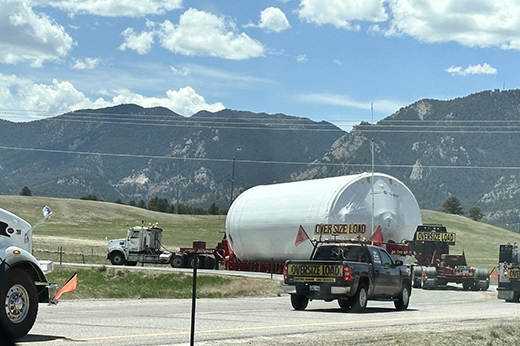
Planning safe transportation routes for oversized freight shipments
Transporting oversized freight involves far more planning than standard commercial shipments. When cargo exceeds legal highway limits for width, height, length, or weight, transportation providers must carefully evaluate the routes used to move the shipment. Oversized freight route planning helps ensure that heavy equipment and industrial components can travel safely while complying with state transportation regulations.
Heavy haul carriers analyze multiple logistical factors before a shipment begins its journey. Bridge clearances, roadway weight restrictions, construction zones, and traffic conditions must all be evaluated to determine the safest and most efficient route.
What Is Oversized Freight Route Planning?
Oversized freight route planning refers to the process of identifying transportation routes that safely accommodate freight exceeding legal transportation limits. These shipments often require specialized trailers and permits that specify exactly which highways and roads can be used during transit.
Transportation planners work closely with state agencies and logistics teams to identify approved routes for oversized shipments.
Freight that commonly requires route planning includes:
- Large construction equipment
- Industrial machinery
- Energy infrastructure components
- Structural steel and large building materials
- Wind turbine components
Because these shipments can affect roadway safety, route planning is essential to ensure the load travels safely to its destination.
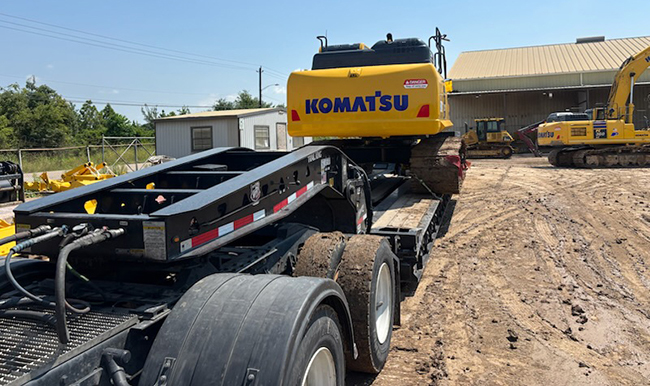
Key Factors in Heavy Haul Route Planning
Oversized freight carriers must evaluate several important factors when selecting transportation routes.
- Bridge and overpass clearances
- Road weight limits and load capacity
- Urban traffic restrictions
- Construction zones or detours
- Permit requirements and travel time restrictions
These considerations help prevent delays and ensure that oversized shipments comply with transportation regulations.
Technology Used for Oversized Freight Route Planning
Modern heavy haul transportation often relies on digital route analysis tools to evaluate roadway conditions before a shipment begins. Transportation planners may use bridge clearance databases, GPS mapping tools, and logistics software to identify potential restrictions along the route.
These technologies allow carriers to evaluate infrastructure limitations such as bridge heights, road width, and highway weight capacity. By identifying these factors in advance, transportation providers can develop safe routes for oversized shipments.
Working With Experienced Heavy Haul Carriers
Oversized freight route planning requires experience, coordination, and specialized equipment. Businesses transporting heavy machinery or large industrial components often rely on professional heavy haul carriers to manage the logistics involved in these shipments.
Buchanan Hauling and Rigging, Inc. provides heavy haul transportation services designed to move oversized freight safely across the United States. Their specialized equipment and experienced drivers allow large shipments to be transported efficiently.
Explore Buchanan Heavy Haul Services
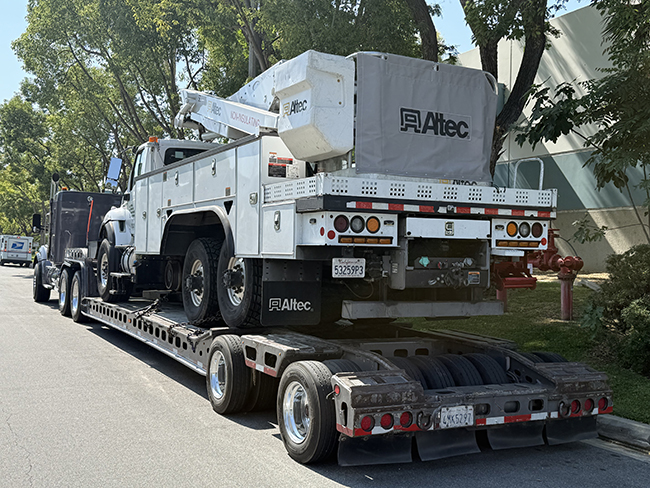
Industry Experience and Reliable Transportation
For more than 30 years, Buchanan Hauling and Rigging has supported construction, manufacturing, infrastructure, and industrial businesses with dependable freight transportation services. Their experience coordinating oversized freight shipments helps ensure transportation is completed safely and efficiently.
Learn More About Buchanan Hauling
Planning Oversized Freight Shipments
Companies transporting oversized equipment benefit from working with carriers that understand route planning, permit coordination, and specialized transportation requirements. Proper planning helps ensure shipments move efficiently without unnecessary delays.
Resources
Check out our company overview ebrochures:
Contact us now to get more information
or to get a rate quote for your next project.
Additional Freight Transportation Related Information
Oversized Freight Permits | Heavy Haul Permits and Route Planning | Buchanan Hauling Services